Leisure & Outdoors
How to Choose Everyday Travel and Leisure Essentials
A five-step way to decide what belongs in a day bag or carry-on, using airport screening guidance, Cancer Council sun advice and Australian consumer-rights pages.

Explore
Curated picks
A short list of the things that tend to matter on a coastal or bush weekend, each tied to what Cancer Council, state regulators and an airport say about them.
By Sowika4 min read
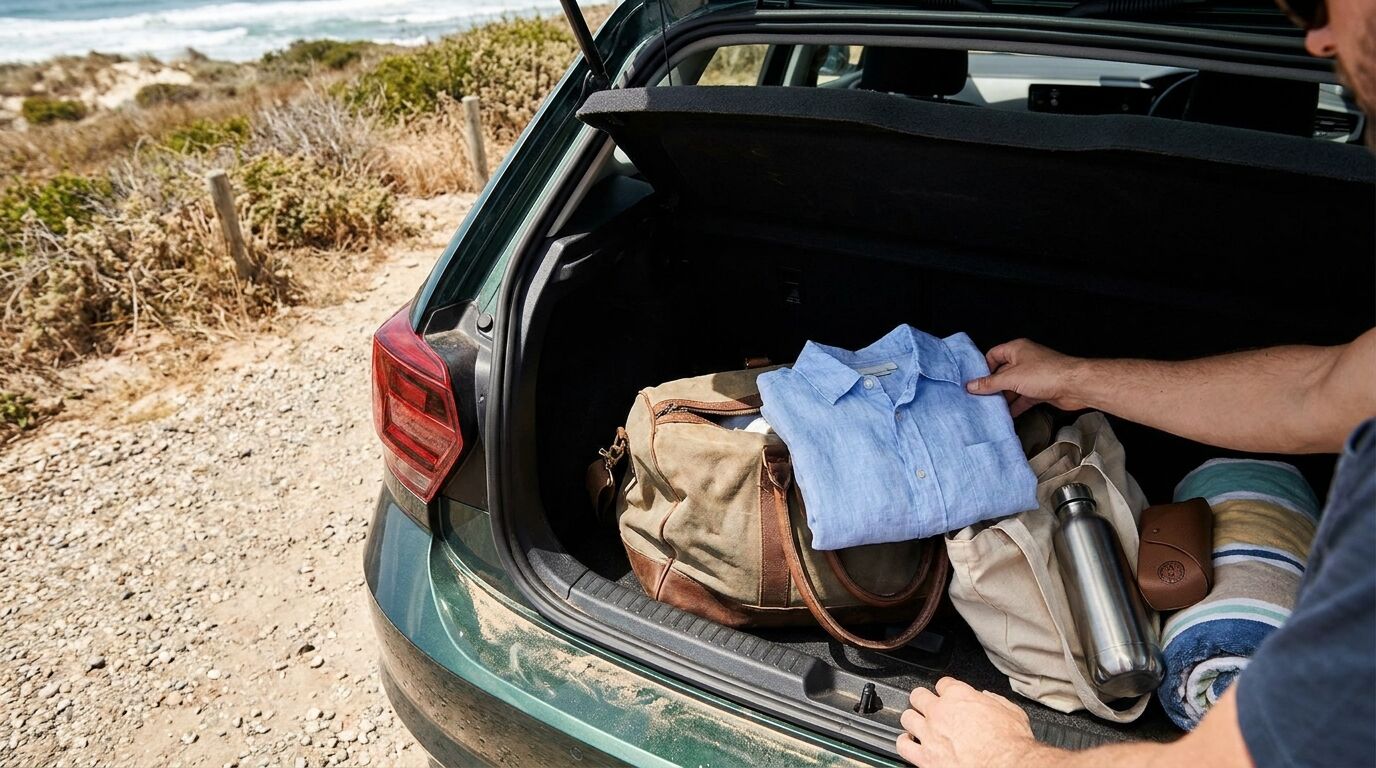
Weekend bags have a way of filling up with last-minute maybes. The ute tray or hatchback boot gets a camp chair, a spare jumper and a speaker, and the thing that would have been useful, a hat with a proper brim, stays on the hook at home. This short list works the other way round: a few categories, with the official reasoning for why each earns its place.
Cancer Council Australia recommends a broad-brimmed, legionnaire or bucket-style hat that shades the face, nose, neck and ears, and says caps and visors do not offer enough protection. It pairs the hat with close-fitting, wraparound sunglasses that meet Australian Standards; worn together, it says, they can reduce UV exposure to the eyes by up to 98 per cent.
The same page describes SPF50+ broad-spectrum, water-resistant sunscreen applied to clean, dry skin at least 20 minutes before going outside, reapplied every two hours and after swimming, towel drying or sweating. A full body takes about seven teaspoons. Long-sleeved shirts with a UPF label cover skin without needing a top-up. Cancer Council is clear that sunscreen is the last line of defence, not a replacement for the other steps.
The MyUV site lists a free SunSmart Global UV app for iOS and Android that shows real-time and forecast UV levels. It says its UV data comes from the Bureau of Meteorology via the Copernicus Atmosphere Monitoring Service. Cancer Council notes UV can be high even on cool, overcast days, which suits a coastal weekend where a breeze hides how strong the sun is.
Cancer Council lists shade from trees, built structures, or a high-UPF umbrella or gazebo, and adds that reflected UV can still reach you, especially near water. On a beach or river weekend that is worth remembering: sitting under an umbrella is not the same as being fully covered, so the hat, shirt and sunscreen still matter. A folding gazebo or umbrella is a bulky item for a small boot, so it helps to decide early whether it is a regular piece of kit or something borrowed for the one big trip.
Weekend cooking tends to split into two camps: whatever is simplest, and a proper setup. For either, the safety points are the same. A portable gas cooker is a classic getaway item, and the guidance is consistent. Western Australia's energy-safety regulator says portable gas appliances should never be used in tents, caravans, campervans or other enclosed areas, and that opening doors or windows does not change that. It recommends looking for an approval badge showing the appliance is authorised for sale in Australia, checking connections with soapy water, and making sure the cylinder's stamped test date is no more than ten years old.
How the cylinder gets there matters as well. The regulator advises storing cylinders outdoors, away from heat or ignition sources, and transporting them upright and secured, outside the passenger area and not in an unventilated space such as a car boot for extended periods. A 2013 NSW Fair Trading release republished by Product Safety Australia adds a simple rule that sounds old-fashioned but is easy to follow: no smoking in a car carrying gas bottles.
Not every getaway is a drive. Brisbane Airport's guidance says domestic flights are not subject to restrictions on the amount of powders, liquids, aerosols and gels you carry on board, though aerosol containers need a fitted cap or locking device and must be presented at screening. For international flights it describes a limit of 100 ml or 100 g per container, in a resealable clear bag of about 20 cm by 20 cm. It points readers to the Department of Home Affairs' TravelSECURE site for full details. Sowika has not reviewed that site or the rules for spare batteries and power banks, so check both, and your airline, before you pack.
Buying a new accessory for the weekend does not suspend your consumer rights. The NSW Government says goods must be of acceptable quality and match the seller's descriptions, and the ACCC says consumer guarantees apply whether or not a warranty exists. Keep the receipt anyway: it makes any conversation with the seller shorter.
None of this needs to be bought new. The point of the list is the order of questions: what is the problem, what do the authorities say about it, and do you already own something that does the job? Anything that survives those questions is a reasonable thing to take.
Before the bag goes in the boot
For gear that stays home, see Outdoor Living Products Worth Considering for Australian Homes. Other practical thinking on travel buying lives in How to Choose Everyday Travel and Leisure Essentials, and the full section is at Leisure & Outdoors.
How this was researched. Based on published information and the sources listed below. Sowika has not tested the products or services mentioned. See the editorial policy.
Leisure & Outdoors
A five-step way to decide what belongs in a day bag or carry-on, using airport screening guidance, Cancer Council sun advice and Australian consumer-rights pages.
Leisure & Outdoors
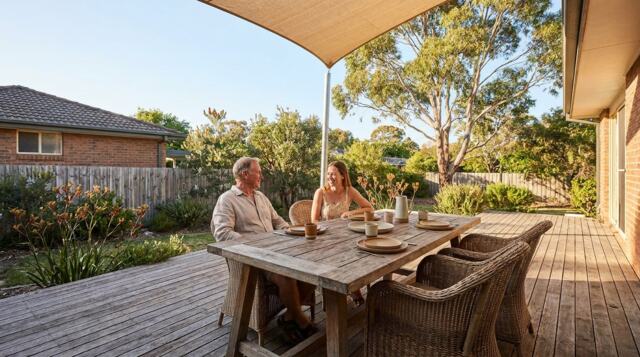
Shade, a barbecue and a heater all promise a better verandah. Government and Cancer Council guidance explains what to check first, and what to keep outside.
Finds & Features
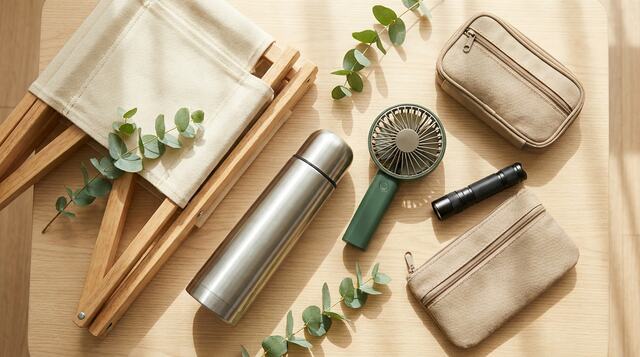
Rather than a shopping list, here are five kinds of object that tend to repay a second look, and the questions that separate the clever from the merely novel.
Newsletter
Want to hear when we publish new stories? Leave your email address to ask to join the Sowika newsletter list.