Leisure & Outdoors
Outdoor Living Products Worth Considering for Australian Homes
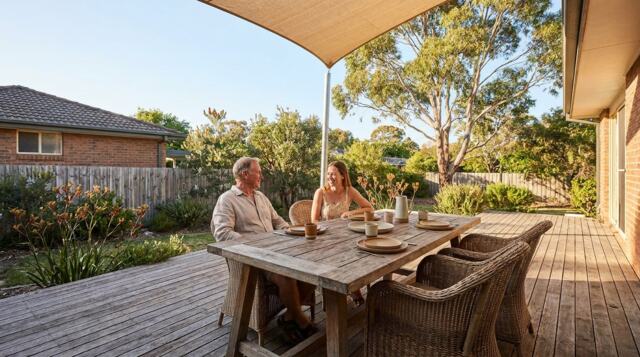
Shade, a barbecue and a heater all promise a better verandah. Government and Cancer Council guidance explains what to check first, and what to keep outside.

Explore
Feature
A balcony, a courtyard and a big backyard share the same questions: where does the sun fall, what is safe to burn, and what will actually get used?
By Sowika4 min read
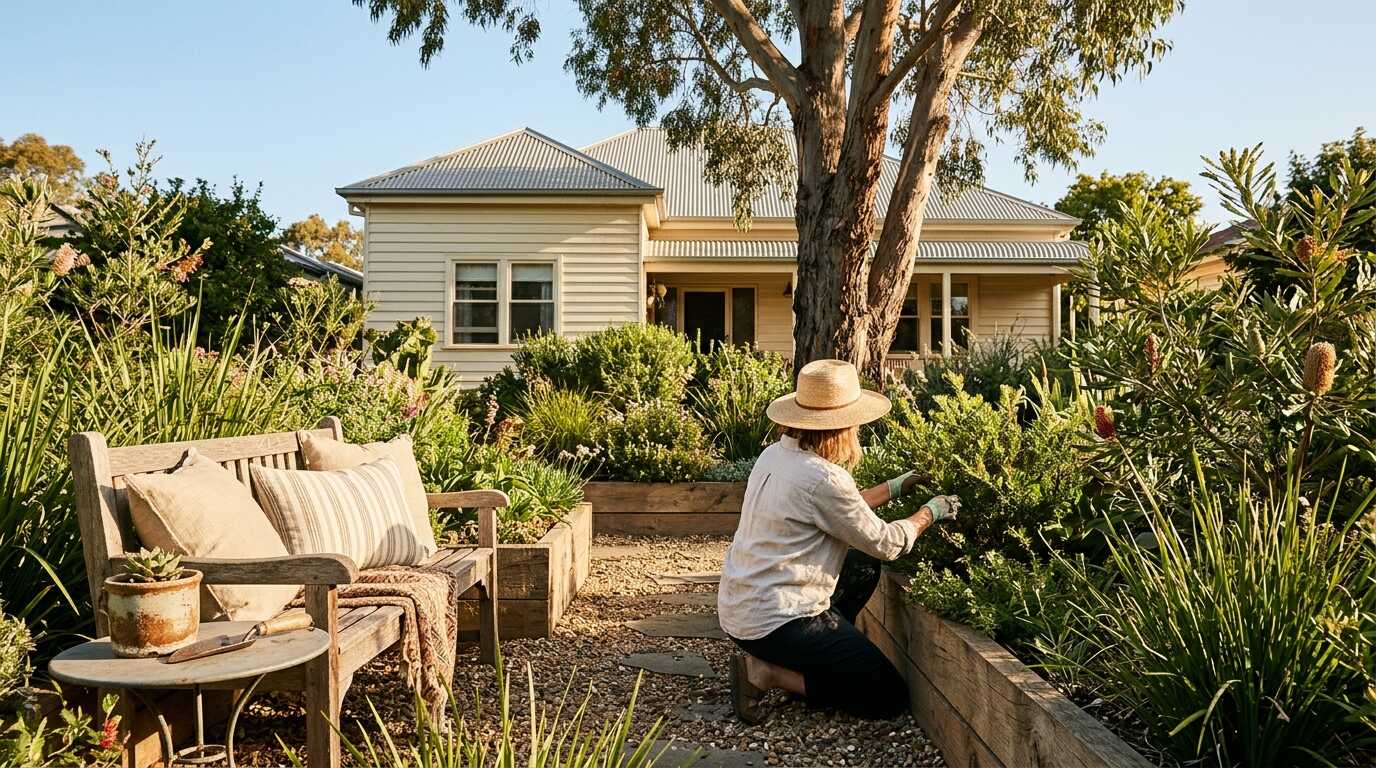
Imagine three outdoor spaces. A fourth-floor apartment balcony just wide enough for two chairs. A courtyard between a kitchen door and a back fence. A backyard with a gum tree dropping bark and leaves across half of it. Each is described as an extension of the home, and each is used far less than it could be. The reasons are usually small, and mostly to do with sun.
Before buying anything, spend a Saturday noticing. Where is the first sun on the balcony? Which corner of the courtyard is still hot at five? Does the gum tree's shade reach the table at lunch, or the clothesline? It costs nothing and it reorders priorities: the best-placed table may not be the one nearest the door.
Cancer Council Australia is useful here because it frames shade as a rule rather than a luxury. It says seeking shade should be top of mind on days when the UV Index is 3 or above, and lists trees, built structures and a high-UPF umbrella or gazebo as ways to do it. That is a long list for a small balcony; a single umbrella may be the realistic piece. The same advice carries a caution worth designing around: reflected UV can still reach you, especially near water, so shade works best alongside the other steps.
Because it is easy to equate UV with heat, people relax on mild days. Cancer Council says UV radiation can be high even on cool and overcast days, and that thin cloud does not block it. It gives the index scale as low at 1 to 2, moderate at 3 to 5, high at 6 to 7, very high at 8 to 10 and extreme at 11 and above, and says just 15 minutes of unprotected exposure at these levels can start to harm skin. The Bureau of Meteorology issues sun protection times when the index is forecast to reach 3 or above, and MyUV points to a free SunSmart Global UV app for forecast levels.
For a space used mostly at weekends, that suggests a habit rather than a purchase: look at the forecast index when you plan lunch outside, and move the table or open the umbrella accordingly.
In the courtyard, the barbecue is the obvious star and the obvious risk. The South Australian Government says to use a barbecue outdoors only, in a well-ventilated area, and to keep it away from dry fuel, especially in fire danger season. In a backyard with a gum shedding bark and leaves, that is a layout question: the barbecue wants clear ground and a clear radius, not the corner where leaf litter collects. A Product Safety Australia page makes the same point about small burners, which should not sit on leaf litter or in cardboard boxes.
Heating deserves the same logic. Energy Safe Victoria says outdoor heaters, barbecues and fire pits release carbon monoxide, which can be fatal indoors, and that outdoor gas appliances should not be brought into the home, a caravan, a car or a tent. On an apartment balcony with a roof and side screens, whether that still counts as open air is a question for the manufacturer's instructions, not for guesswork.
Fire season adds a rule that is not about design at all. Western Australia's barbecue guidance says to check for fire bans or other restrictions before grilling. Bans and conditions are set by state authorities, so the practical step is to look at your state's fire service information on the day, not rely on what was true last week.
A good test for any outdoor purchase is whether it solves a problem you noticed during that day of watching. A chair does not fix a lack of shade; an umbrella does not fix a table too small to eat at. The NSW Government's consumer-guarantee page adds a practical backstop: goods must be of acceptable quality, meaning what would normally be expected for the type of product and cost, and must match what the seller or the packaging says. Outdoor furniture lives in sun, rain and salt air, so it is fair to ask how a product is described before you pay, and to keep that description.
The same page notes that guarantees do not apply if you misused the product, which is another reason to read the maker's instructions on how and where a heater, burner or barbecue should be used. They are as much part of the product as the metal.
The most useful trick is the least dramatic: make the outdoor space as easy to step into as the lounge. A hat by the door, a clear route to the table, somewhere dry to store cushions. The sun-safe version is also the more comfortable one, because a shaded seat gets used when an exposed one does not.
For product ideas that suit these spaces, see Outdoor Living Products Worth Considering for Australian Homes; for more on how a home can work harder, there is Simple Ways to Make Everyday Spaces More Comfortable. You can browse the full section at Leisure & Outdoors.
How this was researched. Based on published information and the sources listed below. Sowika has not tested the products or services mentioned. See the editorial policy.
Leisure & Outdoors
Shade, a barbecue and a heater all promise a better verandah. Government and Cancer Council guidance explains what to check first, and what to keep outside.
Everyday Living
Comfort at home is rarely one big purchase. It tends to come from small adjustments to heat, light, softness and clutter, made room by room and season by season.
Leisure & Outdoors
A short list of the things that tend to matter on a coastal or bush weekend, each tied to what Cancer Council, state regulators and an airport say about them.
Newsletter
Want to hear when we publish new stories? Leave your email address to ask to join the Sowika newsletter list.