Leisure & Outdoors
Outdoor Living Products Worth Considering for Australian Homes
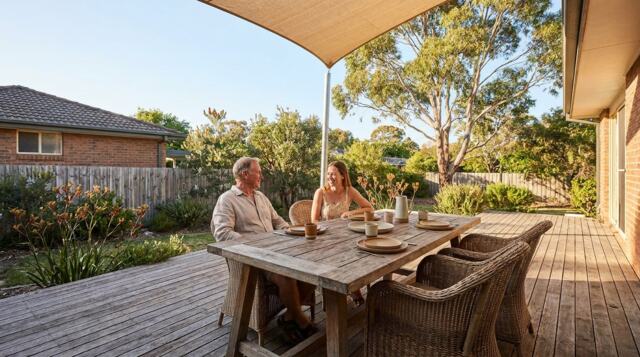
Shade, a barbecue and a heater all promise a better verandah. Government and Cancer Council guidance explains what to check first, and what to keep outside.

Explore
Feature
Comfort at home is rarely one big purchase. It tends to come from small adjustments to heat, light, softness and clutter, made room by room and season by season.
By Sowika4 min read
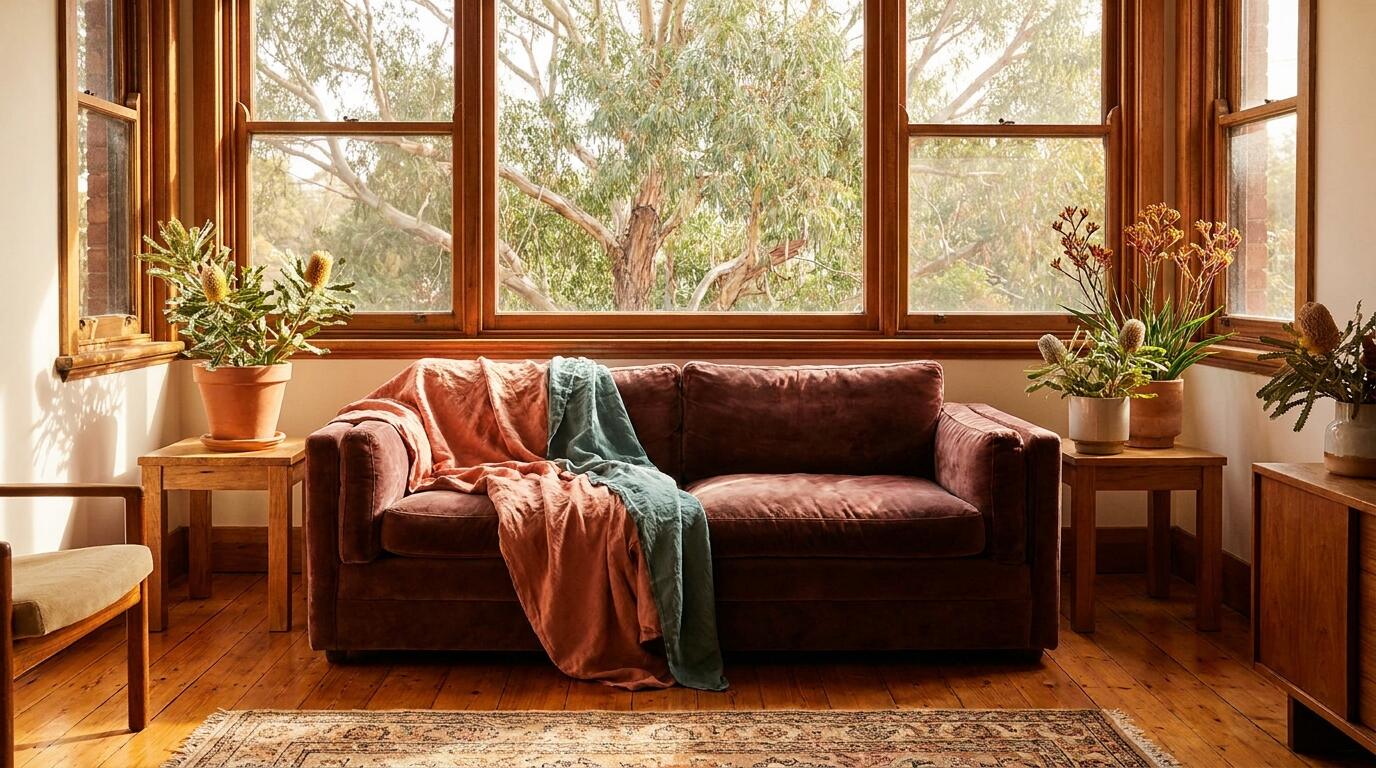
Think of the room you walk through most often: the lounge where the afternoon sun lands, the hallway you cross with an armful of shopping, the corner where the laptop lives. Most of us put up with at least one thing in it that is slightly off. The chair is a touch too hard, the glare arrives at the wrong hour, the cables have gathered into a small colony.
Comfort, seen this way, is less a style than a collection of tiny frictions that have been quietly removed. That makes it a pleasant thing to explore, because you can start with a single room and one irritation.
A spare room that is lovely at noon but never visited is not where comfort is needed. Pick the room and the time of day that matter: breakfast at the bench, the evening wind-down, the Sunday morning with the paper. Sit there at that hour for a few minutes and notice what nags. Too bright, too warm, too echoey, too crowded?
Naming one nag is more useful than a wish list. It tells you whether you are shopping for a textile, a bit of shade, a different lamp, or simply a shelf.
Much of the advice written for homes overseas is about keeping warm. Here the question often runs the other way. CSIRO and the Bureau of Meteorology's State of the Climate 2024 report notes that eight of the nine warmest years on record in Australia have occurred since 2013, and projects more extremely hot days and fewer extremely cool days in the decades ahead.
In practical terms that nudges comfort towards shading, air movement and breathable fabrics: a linen throw rather than a heavy quilt on the couch, curtains or blinds that can be drawn on the sunny side, a fan that moves air in the room you really sit in. None of this requires a renovation, and some of it, like drawing the curtains before the sun hits the glass, costs nothing.
Rooms that feel unwelcoming are often hard all over: bare floors, bare walls, one overhead light. Adding a rug, a lamp at seat height and one or two soft surfaces usually changes how a room sounds as well as how it looks. Warm, low light in the evening tends to read as relaxed in a way that a single bright ceiling fitting does not.
The same goes for the seat you use daily. If a chair is the problem, the useful questions are practical ones. Is the seat height right for your legs? Does the back support you where you actually lean? A cushion can help, but it cannot rescue a chair that is the wrong shape.
When comfort does involve an appliance, Energy Made Easy, an Australian Government service, explains that energy rating labels on products such as fridges, televisions, washing machines and air conditioners show a star rating and an estimate of yearly electricity use. Labels come in 6-star and 10-star versions, and more stars usually means a higher purchase price but lower running costs.
The useful trick is to compare like with like. The same page gives the example that a 1-star 7 kg clothes dryer uses nearly three times the electricity of a 6-star 7 kg model. Zoned air conditioner labels, required since 1 April 2020, rate efficiency for hot, average and cold climate zones, so it is worth checking the zone that resembles where you live. Not every comfort product carries a label, and an unlabelled one is not automatically inefficient.
A room can have perfect temperature and still feel tiring if every surface is occupied. Clearing one surface, such as the coffee table or the bedside, often does more than adding something new. If the clutter is a symptom of missing storage, Choosing Practical Accessories for a More Organised Home looks at how to think about hooks, baskets and trays, and Making Small Living Spaces More Functional covers tighter floor plans.
The Australian Competition and Consumer Commission (ACCC) explains that consumer guarantees under the Australian Consumer Law say a product must be safe, durable and free from defects, and must match any description the business gave. The ACCC adds that there are no set rules about how long a product should last, so durability is judged case by case.
Its guidance on remedies says that for a minor problem the business must fix the product for free, and for a major problem you can choose between a refund and a replacement. The ACCC also says a business cannot simply send you to the manufacturer. Keep your receipt, and treat "check current terms" as the rule for any specific product, because policies change.
Pick one room, one nag and one change. Live with it for a week of normal use before deciding whether it worked. The point of a comfortable home is that you stop noticing it, and the best signal that a small change has worked is that you forget you made it. If you enjoy browsing for ideas, the wider Everyday Living section collects more of this kind of exploring.
How this was researched. Based on published information and the sources listed below. Sowika has not tested the products or services mentioned. See the editorial policy.
Leisure & Outdoors
Shade, a barbecue and a heater all promise a better verandah. Government and Cancer Council guidance explains what to check first, and what to keep outside.
Digital & Connected
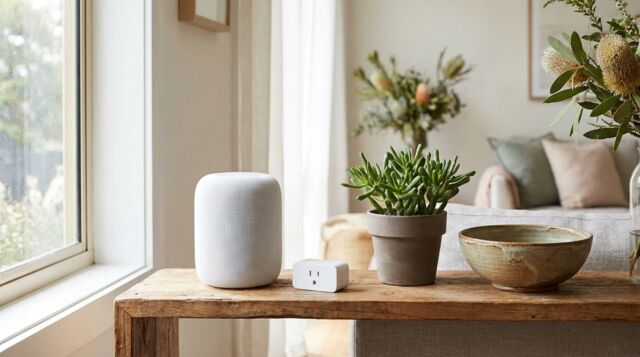
Packaging promises a lot in a few words. Knowing what Matter, Thread and a hub actually do makes the claims much easier to read.
Leisure & Outdoors
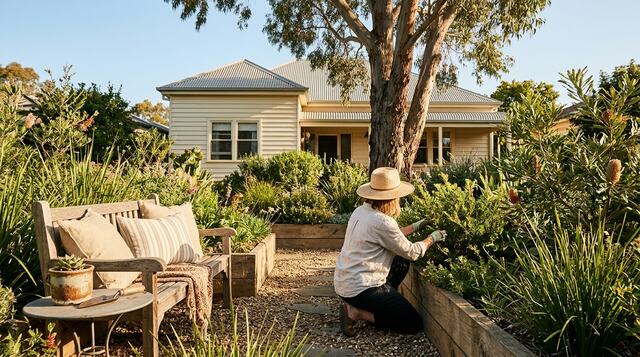
A balcony, a courtyard and a big backyard share the same questions: where does the sun fall, what is safe to burn, and what will actually get used?
Newsletter
Want to hear when we publish new stories? Leave your email address to ask to join the Sowika newsletter list.