
Finds & Features
A Practical Guide to Comparing New Products Online
Comparing something you cannot hold means leaning on descriptions, reviews and seller details. Government guidance shows where each can mislead and what to check instead.

Explore
Explainer
Packaging promises a lot in a few words. Knowing what Matter, Thread and a hub actually do makes the claims much easier to read.
By Sowika4 min read
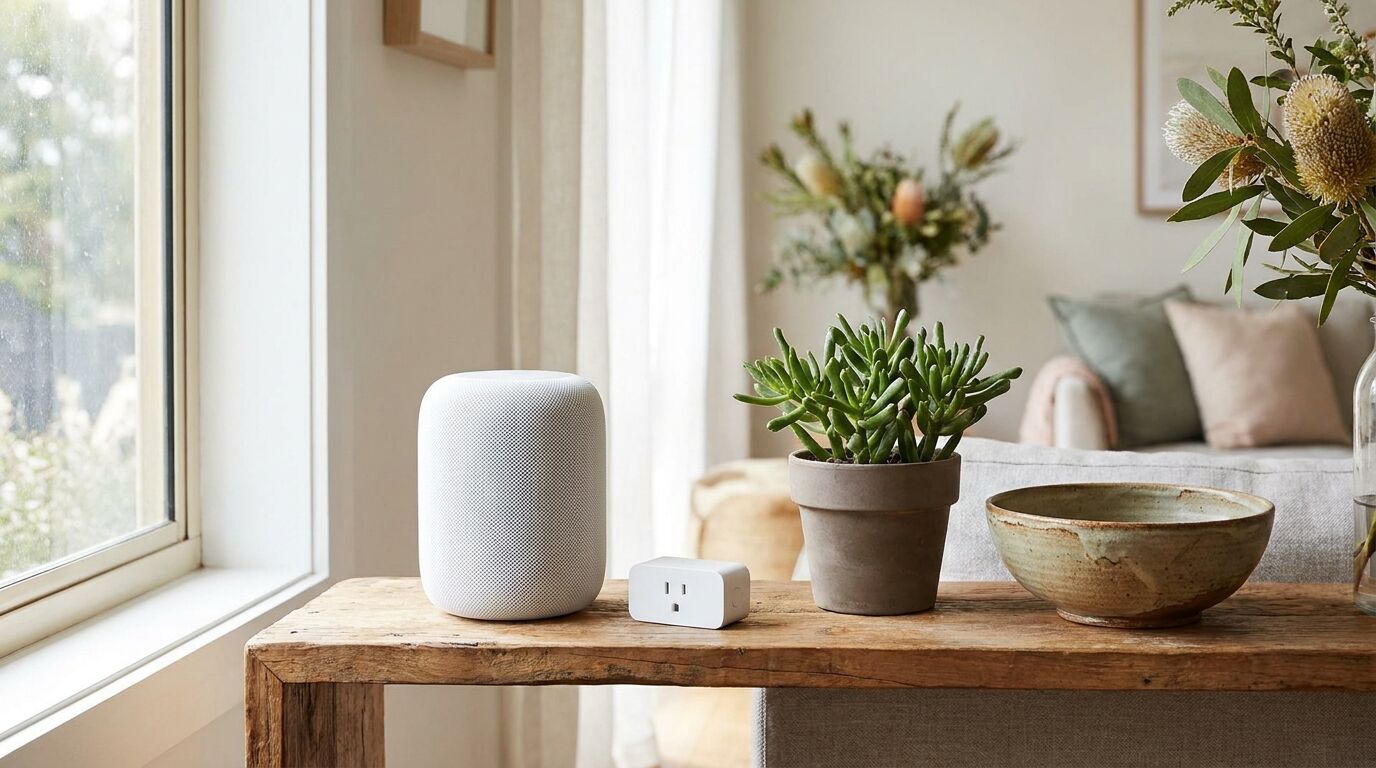
Smart home boxes tend to speak in short promises: works with your voice assistant, one app for everything, easy setup. Behind those phrases sit a handful of technical choices that decide whether a device will still be useful when you add a second brand, change phones or lose the internet for an evening.
The Connectivity Standards Alliance, the industry body behind Matter, describes it in its FAQ as an open smart home protocol. It builds on existing technologies: Bluetooth Low Energy for setup, and Wi-Fi, Thread or Ethernet for the connection itself. The Alliance stresses that it does not replace existing smart home platforms, which most major providers support. It is a common language, not a single app.
Matter also supports bridging, so devices built on other protocols such as Zigbee or Z-Wave can join a Matter setup through a bridge. The FAQ is explicit that there is no native interoperability between Matter and Zigbee devices, which is why bridges exist. As for which product types are covered, it lists categories including lighting, door locks, heating and cooling controls, sensors and window coverings, and mentions work under way on cameras, appliances and robot vacuums. Check the current position for any device you are considering.
| Term | Plain meaning | Question to ask |
|---|---|---|
| Matter | A shared standard so devices and platforms can talk to each other | Is Matter support built in, or does it depend on a later update? |
| Thread | A low-power mesh network used by battery devices, which self-heals as devices are added | Do I already have something at home that can act as the Thread hub? |
| Wi-Fi device | A device that connects directly to your router | Will my router cope with several more devices? |
| Bridge | A box that lets non-Matter devices appear in a Matter setup | Which of my existing devices does it support? |
| Multi-admin | Sharing one device with several apps or platforms and choosing which can use it | Which platforms does this particular device support? |
According to the Alliance, Matter is designed as a local connectivity technology, so devices on your home network can talk to each other without every command travelling through the internet. It adds a practical limit: Matter-only devices need an internet-connected controller at home, such as a smart speaker or hub, if you want to control them while away. Some devices instead connect directly to the internet and use the maker's app for remote control.
The same FAQ notes that makers can keep cloud connections for extra features, and that protecting your privacy also depends on service providers and device makers. In practice, that means reading the privacy policy of every app you connect, switching off cameras and microphones you do not need, and thinking about what a device records before it goes in a bedroom.
Australia now has a mandatory standard for many consumer smart devices. The Cyber Security (Security Standards for Smart Devices) Rules 2025 set out a standard in Schedule 1, which commenced on 4 March 2026. It covers connectable products intended for personal, domestic or household use and excludes categories such as computers, tablets, smartphones, therapeutic goods and road vehicles.
The standard has three parts that matter to shoppers. Passwords must be unique to each product or set by the user, and cannot be built from things like serial numbers or simple sequences. Manufacturers must publish a way to report security issues. And they must publish a defined support period for security updates, shown clearly on websites where the product is offered. That last item is the one a buyer can use immediately: look for the support period, and be wary if you cannot find it. How the rules apply to a specific product, including ones made earlier, is not something this article can confirm.
The ACCC explains that consumer guarantees are automatic rights under the Australian Consumer Law and cannot be signed away. A warranty is an extra promise from a manufacturer or seller, and cannot reduce or replace those rights. An extended warranty is optional and, in the ACCC's words, may give you nothing beyond your existing guarantee rights, so read what it adds before paying.
If a product has a problem, the ACCC's advice is to contact the business first, explain the issue and the outcome you want, and keep proof of purchase. The ACCC's page on buying online adds that overseas businesses selling directly to Australian consumers must follow Australian Consumer Law, though getting a repair or refund from them can be harder. For wider tips on comparing products before buying, see A Practical Guide to Comparing New Products Online and Choosing Apps and Services That Fit Your Routine.
More in Digital & Connected.
How this was researched. Based on published information and the sources listed below. Sowika has not tested the products or services mentioned. See the editorial policy.
Finds & Features
Comparing something you cannot hold means leaning on descriptions, reviews and seller details. Government guidance shows where each can mislead and what to check instead.

Finds & Features
A spec sheet can make any accessory look essential. A short process turns a long feature list into the two or three things you will actually use.

Everyday Living
A small flat or compact house works hardest when each square metre has a clear job. Here is a step-by-step way to find those jobs, with safety points for tall furniture and rentals.
Newsletter
Want to hear when we publish new stories? Leave your email address to ask to join the Sowika newsletter list.